No Membership is required to shop with us, everyone is welcome at the Co-op!

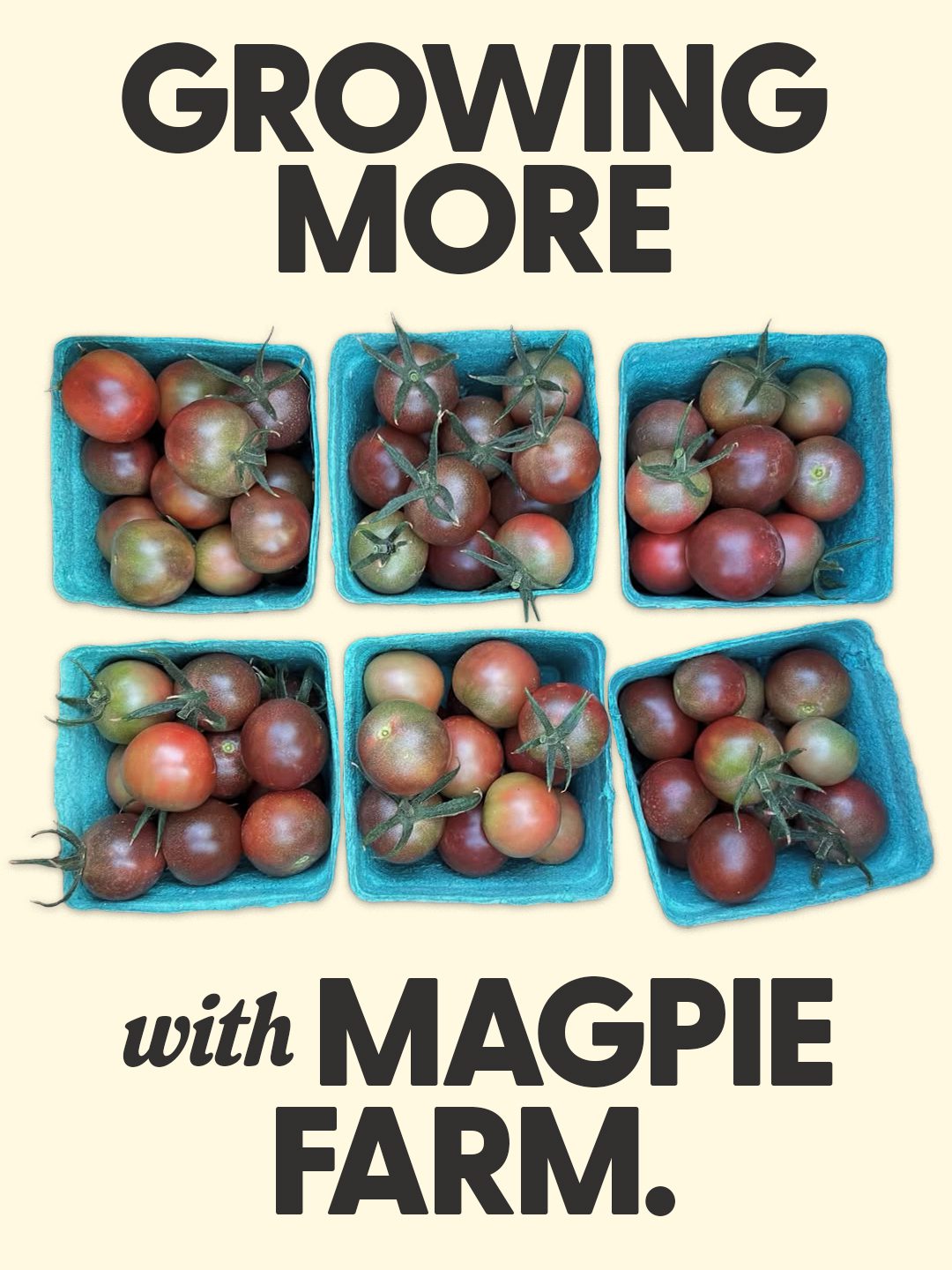
Growing More with Magpie Farms

Story by Erin Bender

Photos by Tuesday Photography

Since we first opened our doors in 2000, Breadroot Co-op has been all about connecting our community through natural and organic foods. As we’ve grown, so has our amazing network of local producers. In 2026, we’re proud to carry products from over 40 local vendors, stretching from the Black Hills to the Eastern Plains of South Dakota.

We think it’s just as important to spotlight these vendors as it is to stock their products. So much of what we do is rooted in cultivating community, and this blog series is one more way to grow that connection. Take a moment to read about the people behind your favorite products — and get familiar with the faces and stories that make our Co-op what it is.

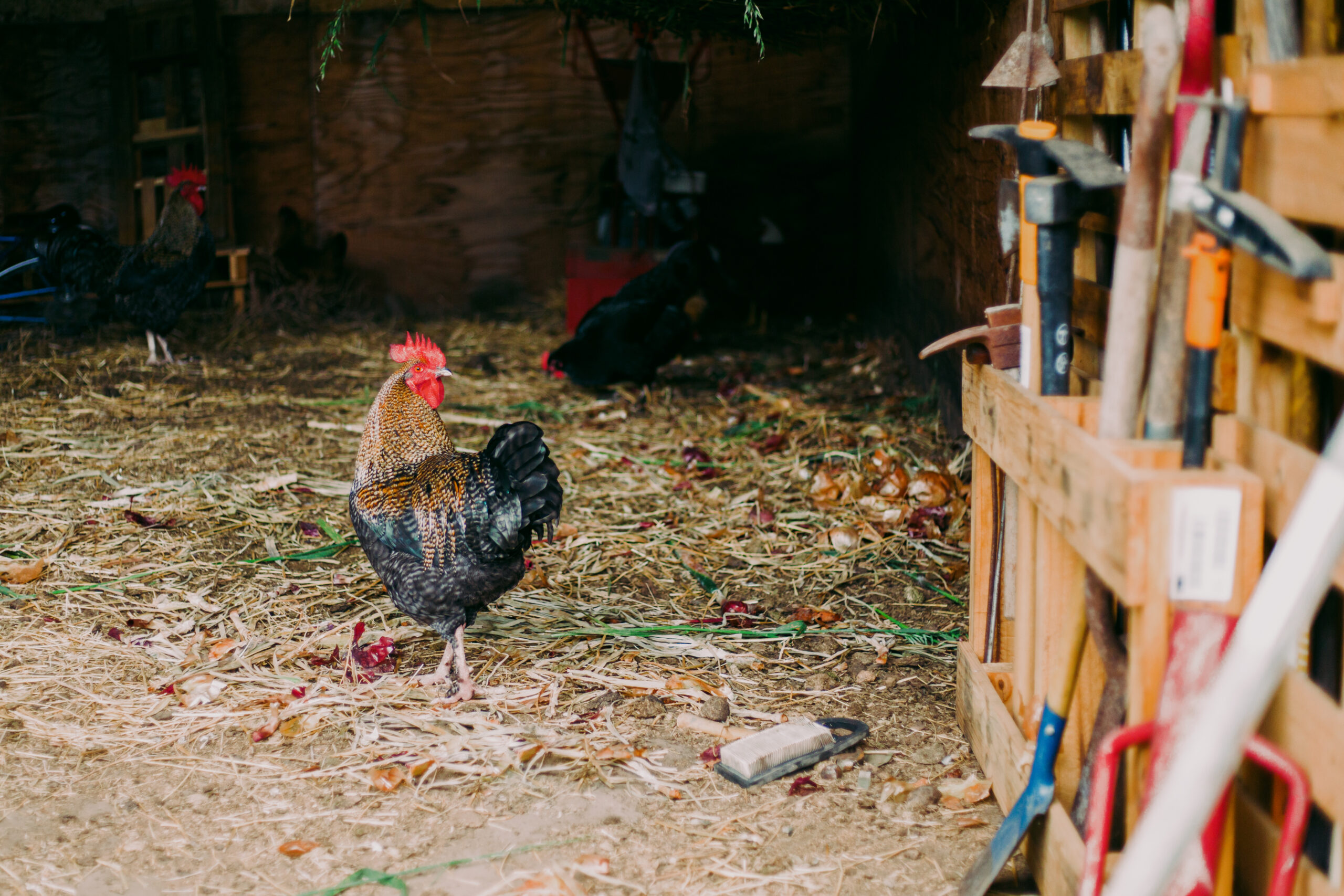
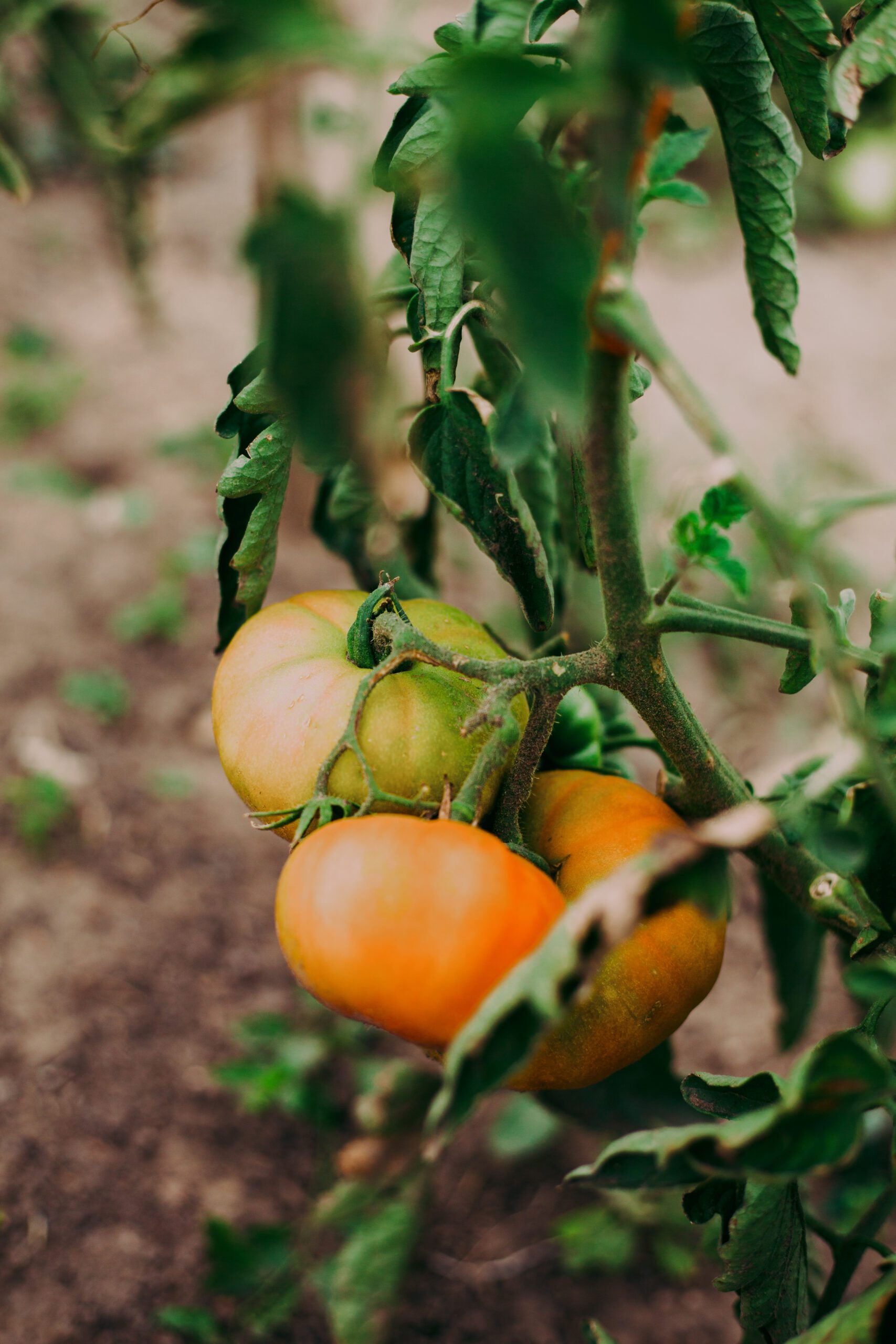
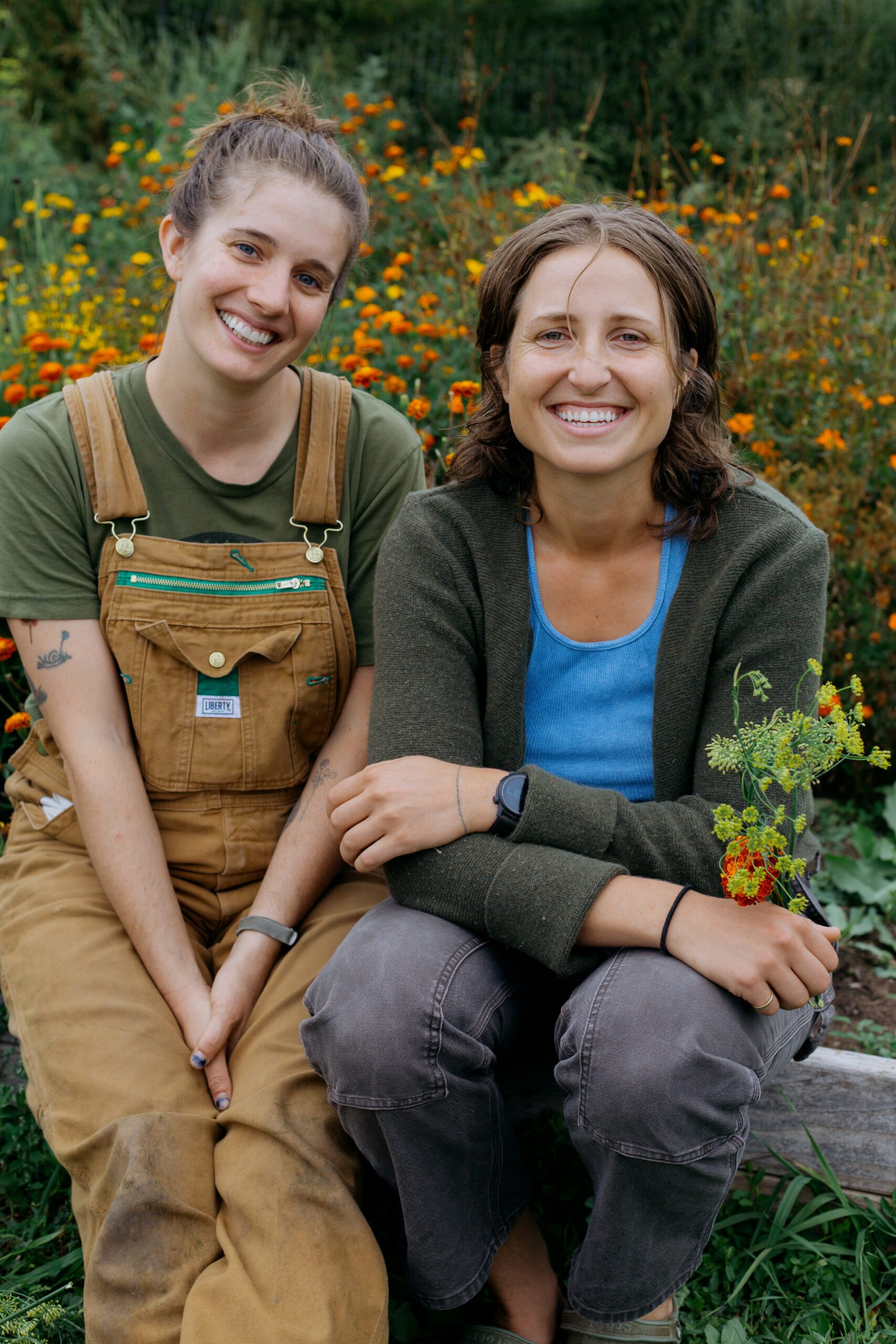
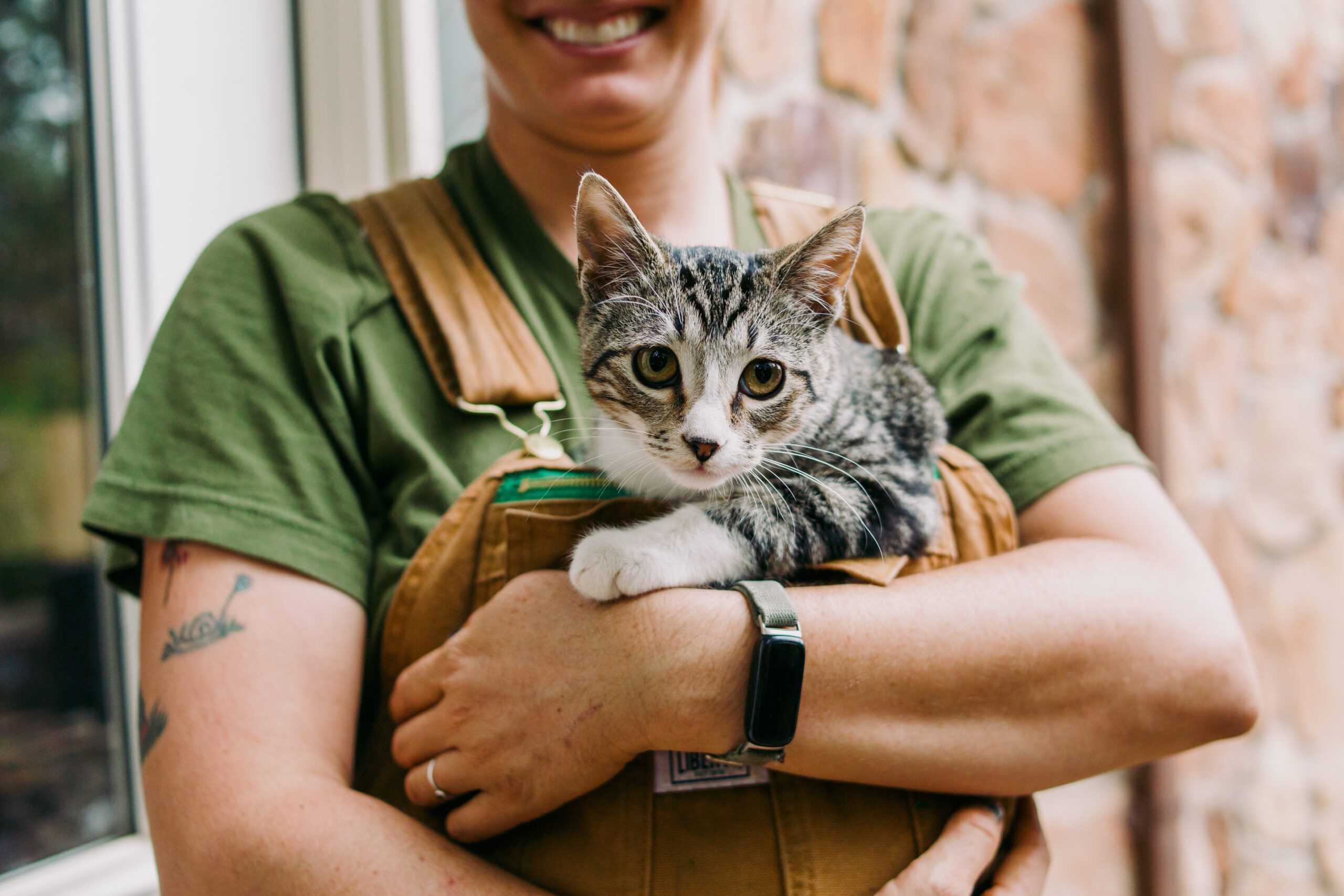
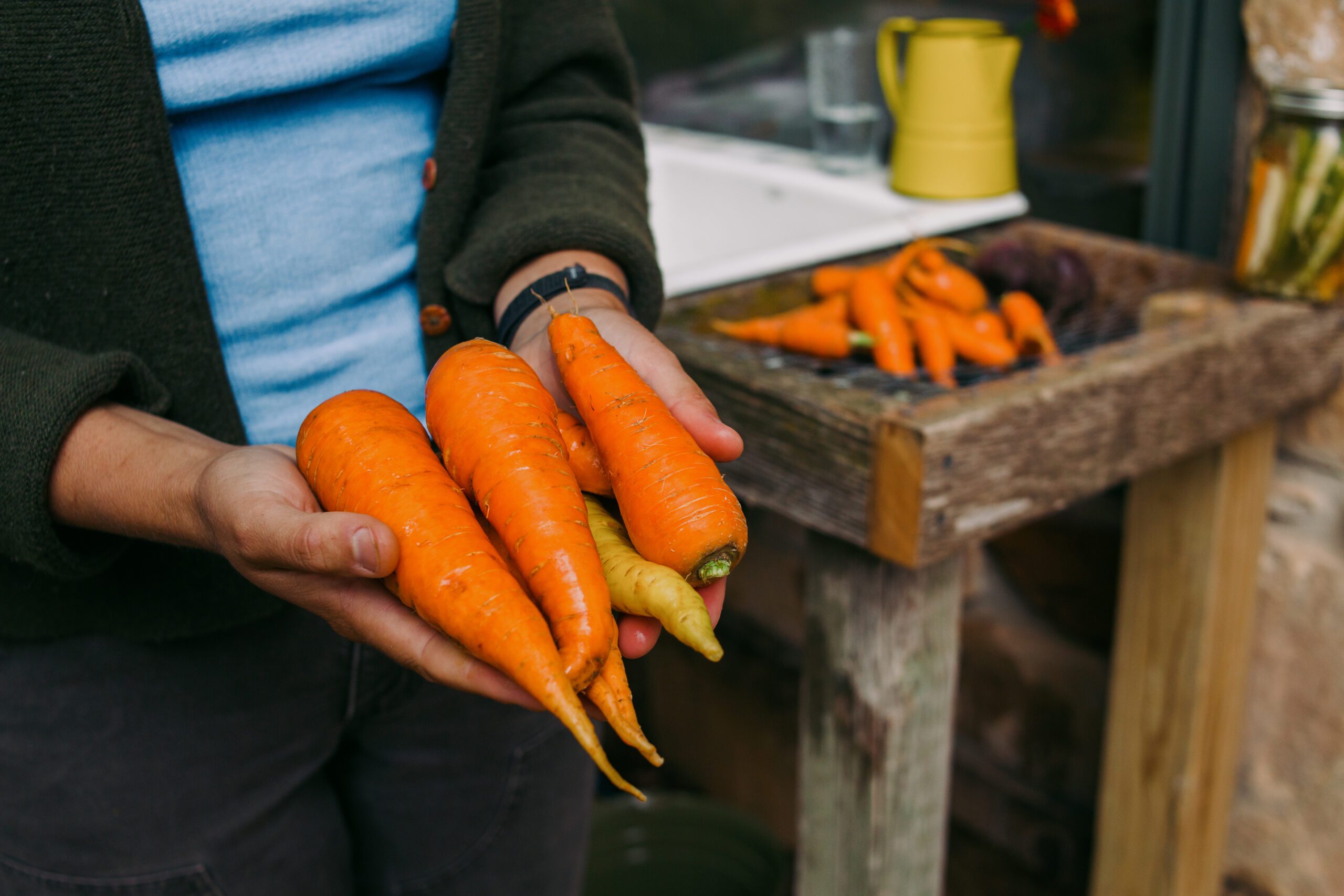
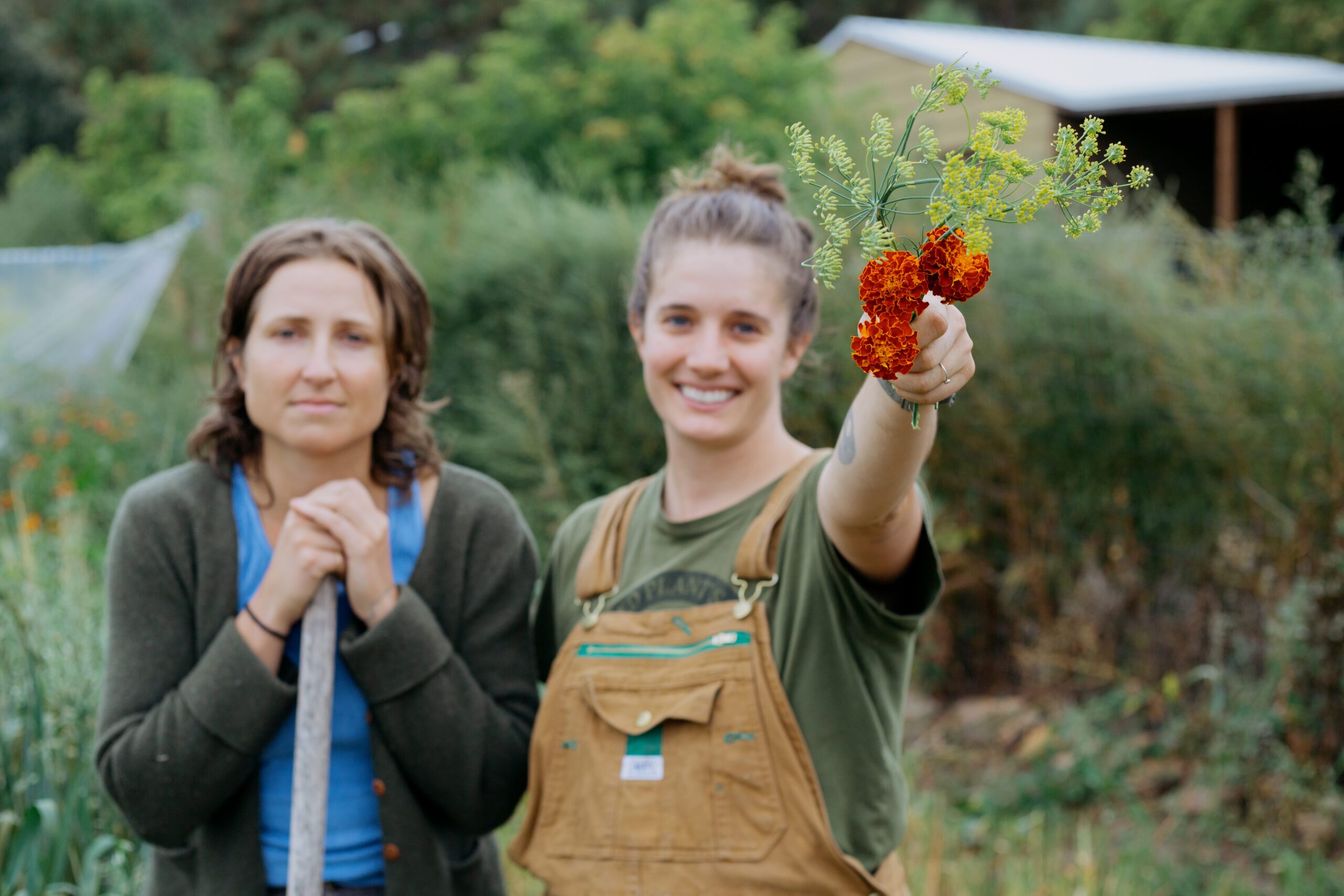
Magpie Farm, a one-acre hand-powered haven in Hermosa, SD, run by Carl Solether and Alston Loper, has been on our list to spotlight since we first dreamed up this series. We actually took the photos for their spotlight back in September 2025 and thought they’d be our very first featured vendor. But by late September, South Dakota’s growing season is winding down, so it didn’t feel right to tell you all about Magpie Farm and get everyone excited about their operation when there wouldn’t be any products on our shelves to buy. Now, a little less than a year later, Magpie Farm can be found throughout our produce department, making it the perfect time to tell their story.

Like so many Black Hills transplants, Carl and Alston fell in love with the area while on vacation. They had been out West visiting Alston’s brother in Denver, Colorado, and made a stop in Rapid City along the way. Still in the honeymoon phase of their Black Hills love affair, they thought, “Let’s see if we can find some land and make this happen.” Carl and Alston uprooted their lives in Cleveland and Detroit, respectively, and headed to the Hills. Now three years later, they’ve transformed Magpie Farm into a beautiful growing space, tucked away in Hermosa. This is just their second year farming this land.

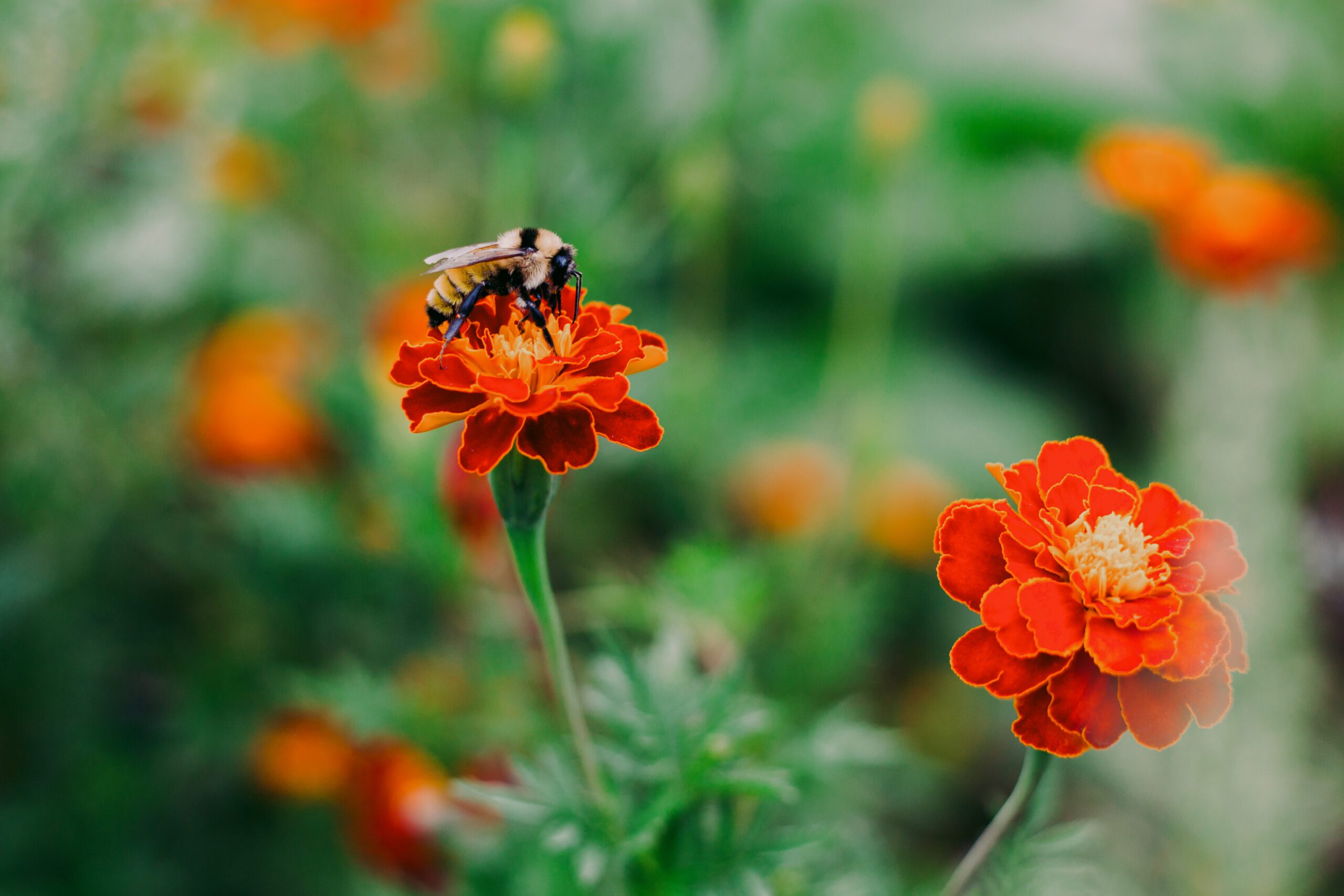
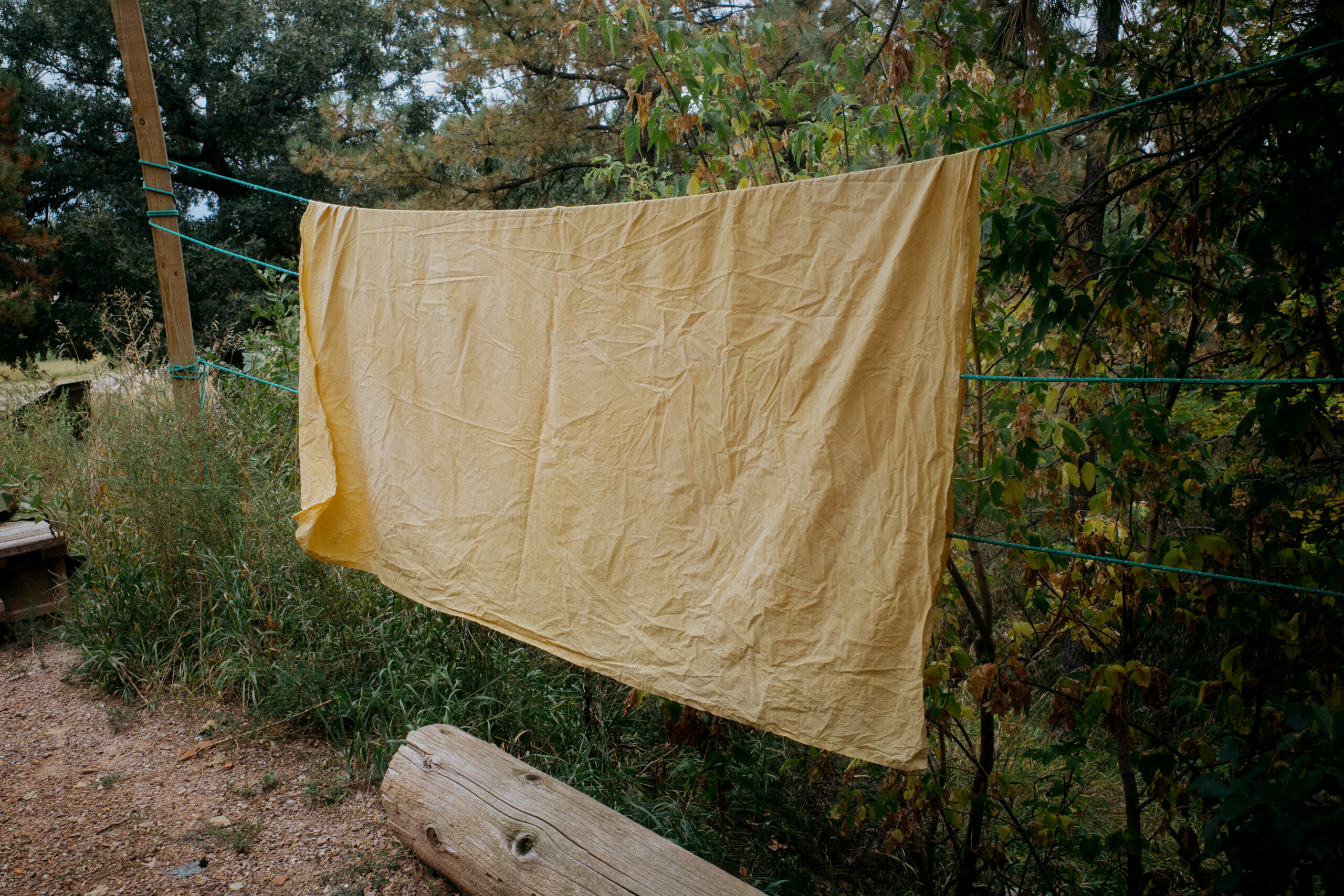
From turning spring planting into a party, to leading educational classes both on the farm and around the Hills, to hosting farm tours and farm yoga, community is the through-line of everything Magpie Farm does. Their produce can be found in-season at Breadroot Co-op and occasionally at the Hermosa Farmers Market and Pop’s Grocery in Hermosa, but Magpie also supplies Sage & Cedar Tea Co. (who we carry in our Bulk section!) and MoonFarma, an herbalist over in Sioux Falls, SD. Alongside their mixed vegetables, tea and culinary herbs, they also grow dye plants for their sister brand and Carl’s passion project, Hard World Soft Goods, where she creates 100% upcycled, often naturally dyed textiles and soft goods.

If you went home from Connect With Your Co-op with a beautiful handkerchief or baby onesie, you’ve already connected with Carl and Alston right in our parking lot. Since then, they’ve continued sharing their skills with the community by hosting sourdough classes, several mending circles, and even farm yoga in partnership with Loam Yoga Studio. They’re currently scheming up a knitting class, a natural dyeing class, a garlic braiding glass, and maybe even a drag show out at their farm! In everything they do, Magpie Farm is working to strengthen the community we all call home.
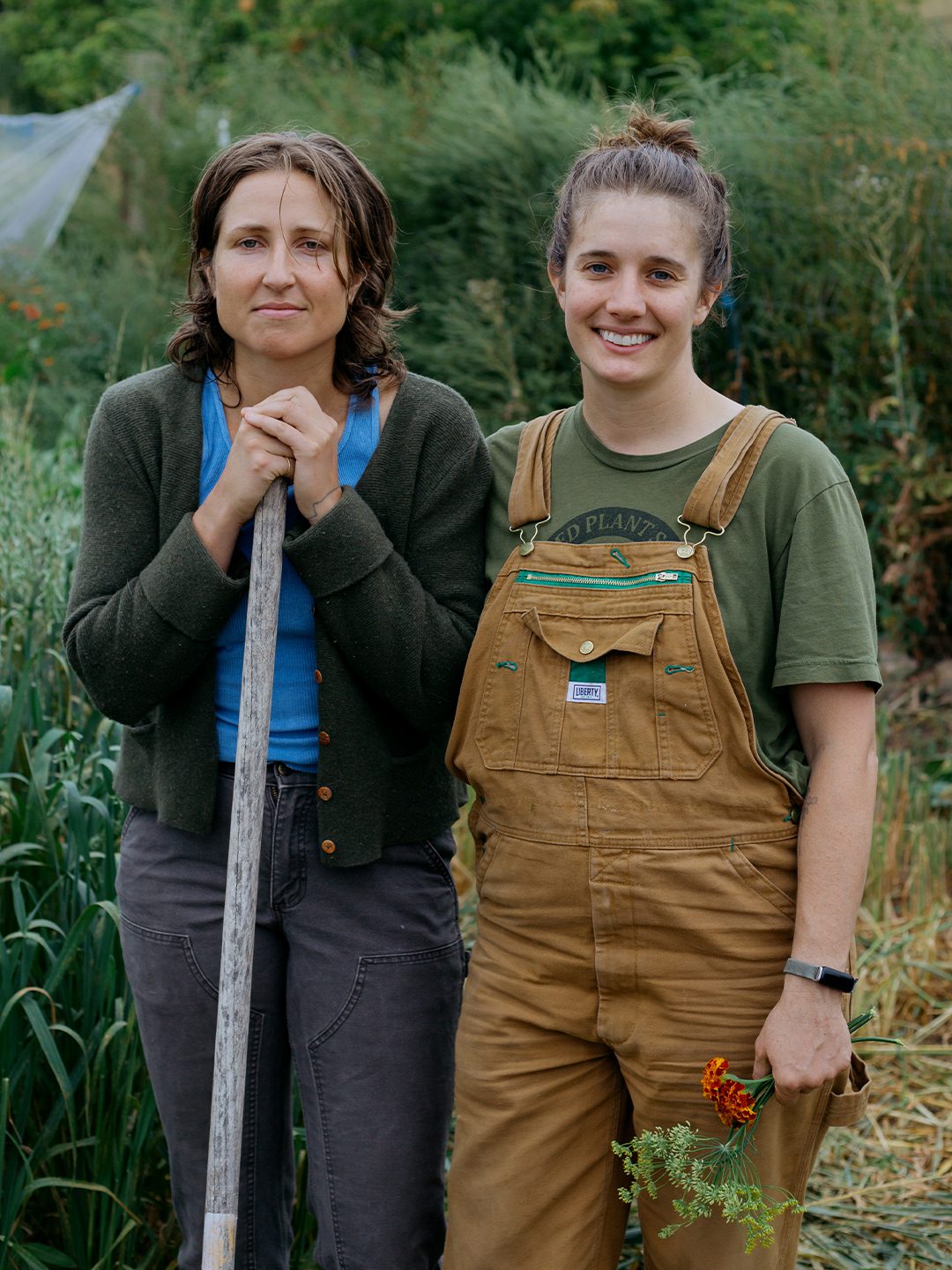
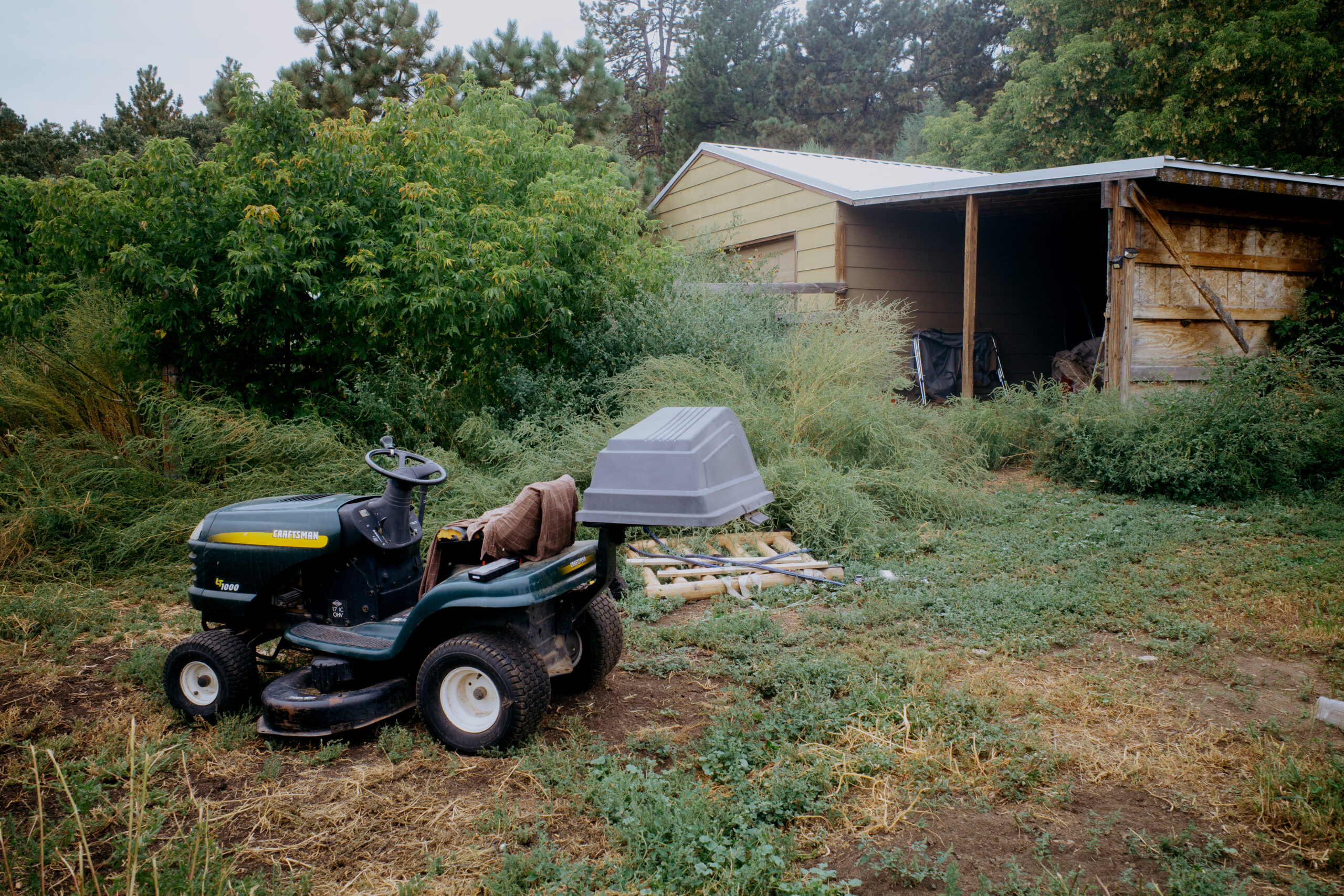
As far as their farming practices go, they remain as connected to the land as they are to our community. Rather than relying on large machinery, much of the work at Magpie Farm is done by hand, allowing Carl and Alston to care for every bed with intention. They do not use any chemicals on their property and are 95% hand powered (the other 5% accounting for their mower, which we think is a valid exception). It is of utmost importance to them that Magpie Farm work in respect to the land and to the ecosystem.

Carl says, “I think a big realization we have come to is how our vision has changed, we originally wanted to grow only beans and garlic, then last year (2025), the deer ate our entire crop of beans.” A tale as old as time in our neck of the woods (I’m sure all you home-gardeners can attest). For their second growing season, Carl and Alston had to pivot. This year (2026), the beans are doing better; but Magpie has now expanded to grow a wider assortment of veggies for the Co-op. Carl expects they’ll have to continue to pivot. As we’re all aware, this summer in the Hills has been an extra hot and extra dry one. “…it’s scary to see how the climate is warming so rapidly, so, next year, we are focusing on growing drought-tolerant food, creating water catchment systems, and fireproofing our property” noted Carl. In an article by Farm Aid, in partnership with the Northeast Climate Disaster Relief Network, titled When Disaster Becomes the Norm, it is emphasized that “small and diversified farms–the backbone of local and regional food systems–as well as rural communities and economies are especially exposed”.¹ Here in the Black Hills, and across our rural South Dakota communities, farmers (and community members alike) are grieving. Farm Aid cites, “Perhaps the most profound–yet hardest to quantify–impact of these increasing pressures is the psychological toll on the farming community. Agriculture has always been a high-stress occupation, but climate instability is introducing a new level of anxiety and ‘climate grief’ for farmers”.²

Currently, as an avenue to combat grief and share solidarity in our region, Magpie Farm has a call for submissions for their own Climate Grief Zine. They are accepting all forms of visual art, poetry, essays, journal entries, photography, etc. from folks in and around the Black Hills through October 15th, 2026. This is yet another avenue Magpie Farm is exploring to build community and meet people where they’re at. If you’d like more information or are interested in submitting to this project, please reach out at magpiefarmsd@gmail.com.

While Carl and Alston aren’t new to farming, they are new to the area and that presents its own set of challenges. Balancing being a good landowner, new homeowners, and the bills that come alongside those two things is never ending. Over one-third of the United States’ 3.4 million farmers are over the age of 65 (USDA, 2026), meaning farms and farmers that are just getting established, like Magpie Farm, are few and far between. Supporting businesses like theirs is exactly what co-ops are built for. Community-owned grocers bolster the vitality of their community’s producers. We at Breadroot Co-op are so proud to carry Magpie Farm and support what they’re actively developing for and more importantly with our community, and we hope that you all feel the same. Give them a follow on Facebook or Instagram, attend their next community class or watch for their next farm tour. Pick up some of their produce next time you’re in and tell your friends about them. We want to see them continue to grow and thrive for many years to come, right here in the Black Hills; and continue to build community in whatever creative avenues Carl and Alston come up with. 

1. Farm Aid and Northeast Climate Disaster Relief Network, “When Disaster Becomes the Norm: Climate Risk and the Future of Northeast Agriculture,” 2026, p. 3.
2. Ibid., p. 19.

To find more information about Magpie Farm’s collective Climate Grief Zine, please see this post. They are accepting all forms of visual art, poetry, essays, journal entries, photography etc. with a submission deadline of October 15th, 2026. 

WordPress Lightbox